INTRODUCING
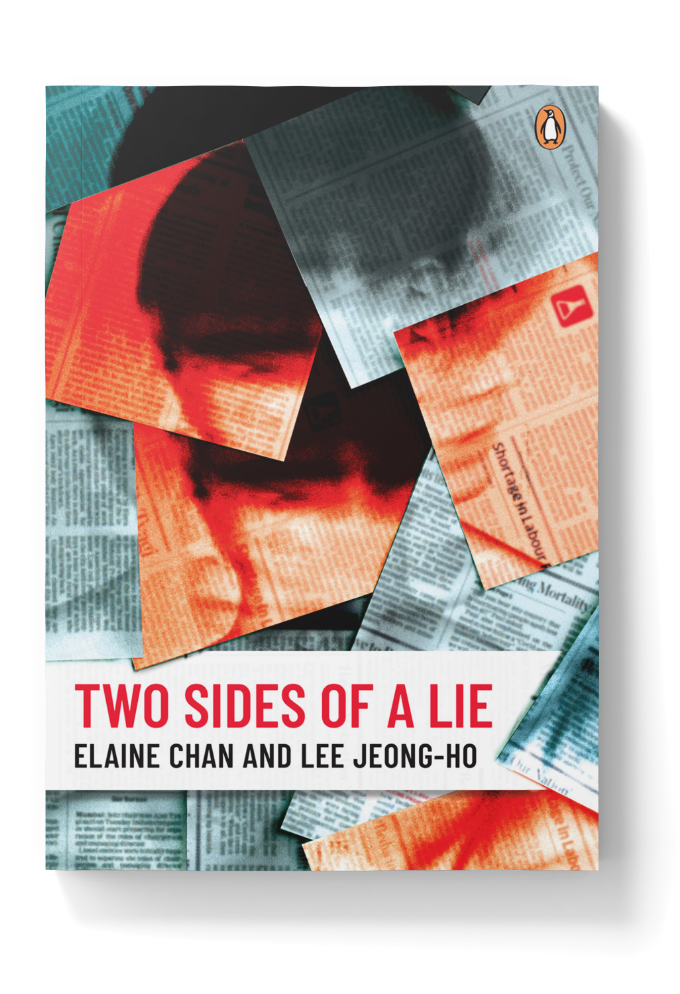
Two Sides of A Lie
By Elaine Chan and Lee Jeong-ho
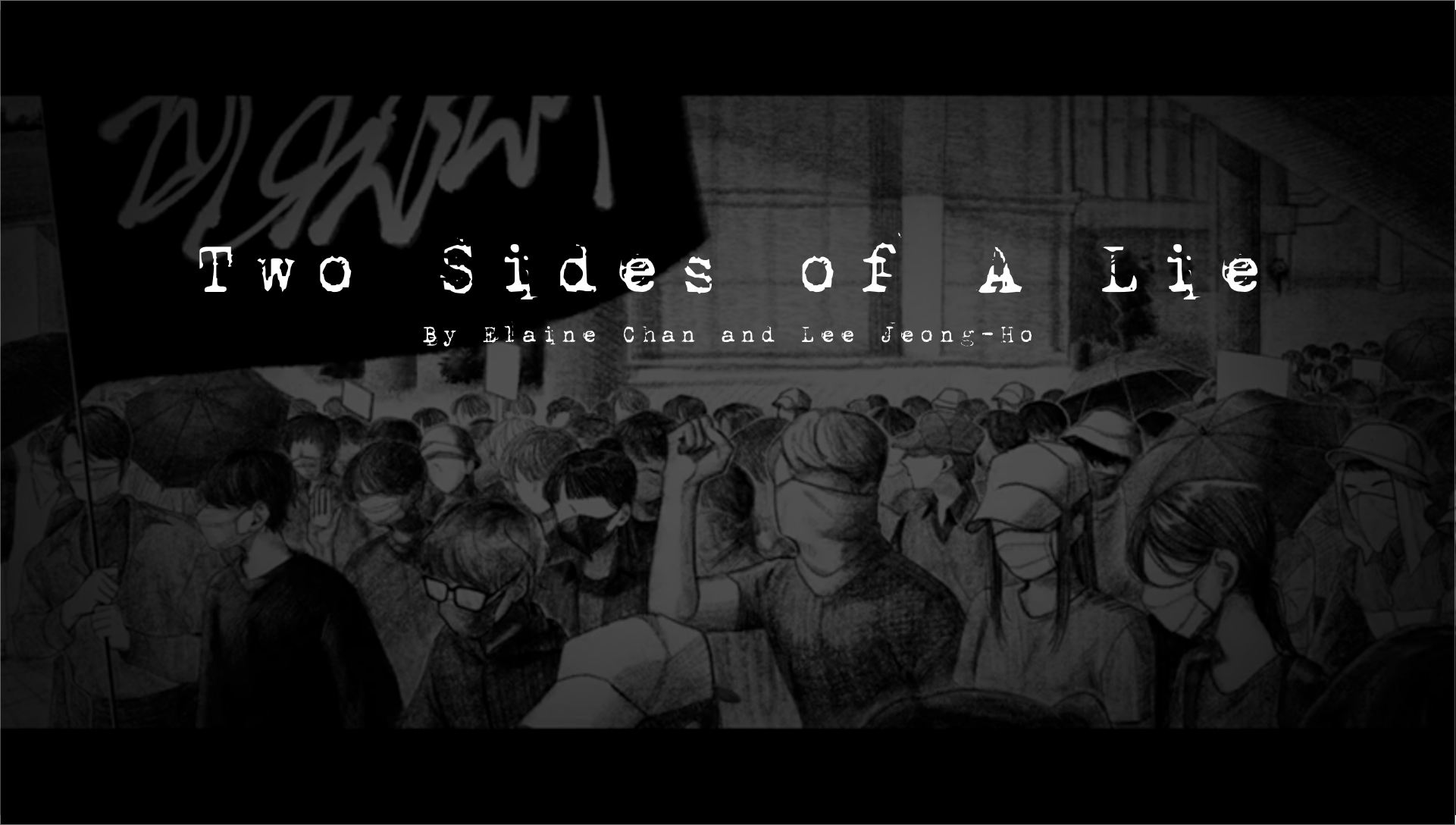
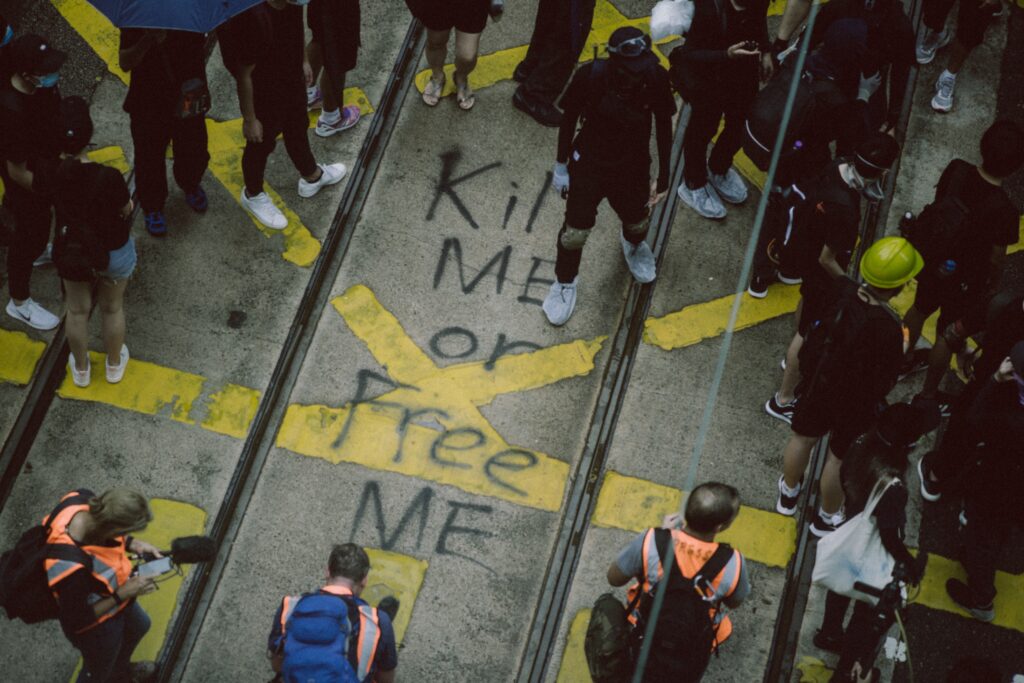
It was a chilly September evening when the body of a young pro-democracy protester surfaced in Hong Kong’s eastern Yau Tong Bay. The local police quickly concluded his death as accidental drowning but fellow protesters believe it was part of a dark ploy by the authorities to quash the political movement. James Lai, the Han Herald’s senior reporter, is assigned to investigate the mysterious death.
Latest Blogs
When the media is a blank paper
Once bitten, twice shy: the world is prepared as Covid-torn China resumes international travel
The illusions of truth
Meet the Authors
Elaine Chan is a journalist and writer covering Asia and Greater China. She was the Shanghai bureau chief of Bloomberg News and had written and edited for the likes of the South China Morning Post and the Associated Press.
While growing up in her native Singapore, she also trained in Western art and painting. But realising she’d never be a Van Gogh, she decided to pursue journalism which she believes is the society’s conscience. Two Sides Of A Lie is her first novel.
Lee Jeong-ho is a journalist and writer covering East Asia and the Korean peninsula. He has written for Bloomberg News, the South China Morning Post and News1 Korea. He believes that media exists for the progression of democracy, to empower individual citizens of democratic ideals through the dissemination of information.
Jeong-ho grew up in South Korea and Australia. He had also worked as an officer in the South Korean Air Force, before becoming a journalist. Two Sides Of A Lie is his first novel.
Experience First Pages
How the novel came about
Two Sides of A Lie started from a casual banter (and some venting) between two journalists about the state of news reporting as the Hong Kong pro-democracy raged on. Like everyone else, a journalist has preconceived notions and brings some degree of bias to the reporting. What makes good journalism is really balanced reporting, where all sides of a story are given a voice, especially in the era where disinformation, misinformation and mal-information is rampant. So we believe.
And just as we would in any reporting assignment, we began by asking the fundamental question of “why” – from the journalistic holy grail of five Ws of what, when, where, who, why, and How. We also wanted our story to be palatable and to entertain; a reminder that we don’t take ourselves too seriously. We hope you enjoy the story as much as we did writing it.